Never Delete Anything: The Millennial Obsession With Hoarding Every Photo They've Ever Taken
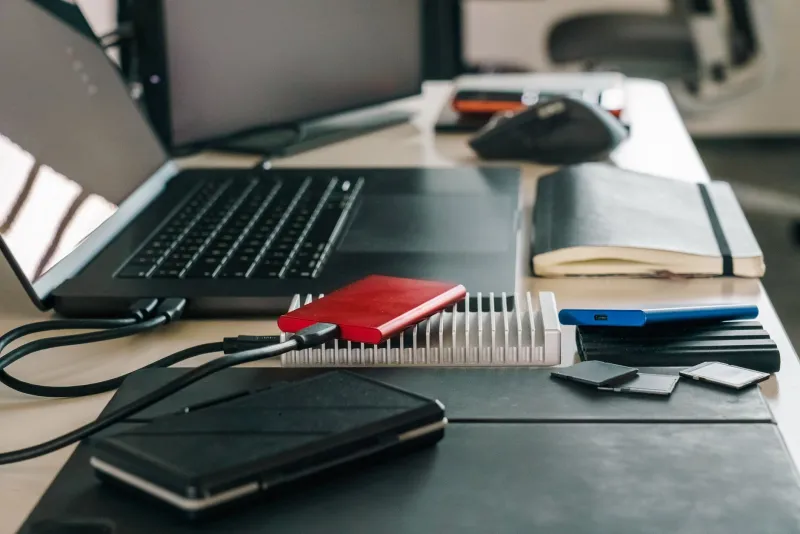
Somewhere in a closet in suburban Ohio, there's a shoebox containing four external hard drives. Each one is labeled in Sharpie — Photos 2003–2007, Photos 2007–2012, Backup of Backup (DO NOT LOSE) — and each one contains essentially the same folder structure, duplicated across drives out of pure, low-grade terror. The person who built this system is 34 years old, works in marketing, and has never once lost a single photo. But she keeps adding drives anyway.
This is not unusual behavior for her generation. It is, in fact, practically a personality trait.
The First Digital Camera Changed Everything
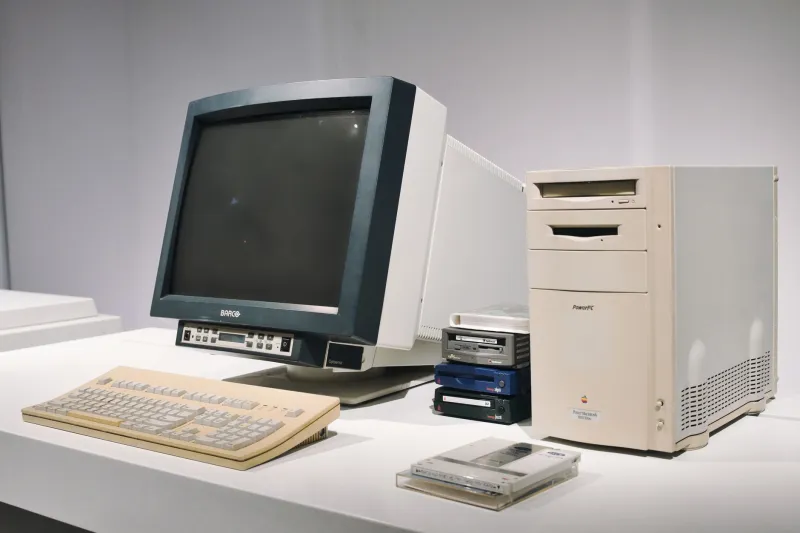
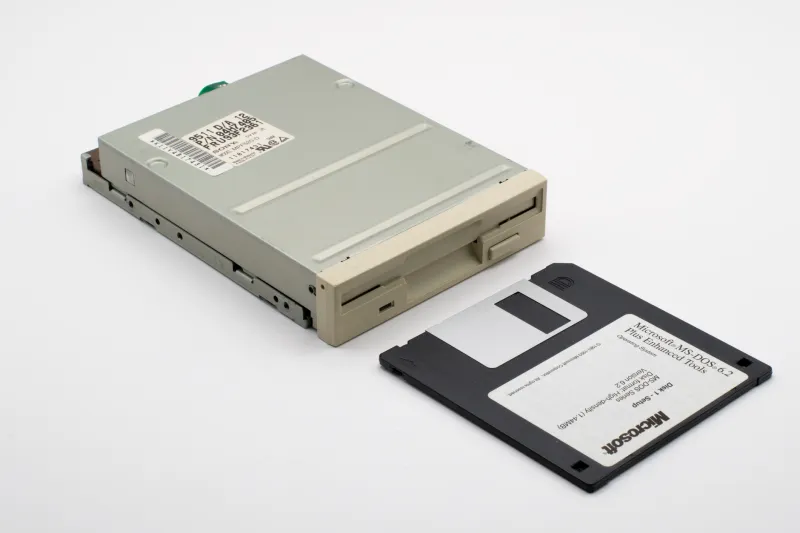
Millennials were the guinea pigs of consumer digital photography. They were the ones who got a 1.3-megapixel camera for Christmas in 2001 and immediately started filling up 32MB memory cards with blurry, overexposed shots of their friends at the mall. They watched the technology evolve in real time — from floppy disk cameras to SmartMedia cards to SD slots — and they absorbed every lesson about fragility that came with it.
They also watched things disappear. A corrupted memory card. A crashed hard drive. A laptop that got stolen out of a college dorm room, taking four years of photos with it. These weren't abstract fears. They were things that actually happened to people they knew, and the losses were genuinely devastating in a way that's hard to explain to someone who grew up with automatic iCloud uploads.
When you're the first generation to live your entire adolescence and young adulthood in digital photographs — and when those photographs don't exist in any physical form — losing them isn't like losing a box of old prints. It's like losing the evidence that certain moments ever happened at all.
The Cloud Doesn't Feel Like Enough
Here's the thing about cloud storage that millennials, broadly speaking, do not fully trust: it requires a company to keep existing, to keep caring about your data, and to keep the servers running. And this generation has watched enough companies vanish to know that's not a safe assumption.
They remember when Flickr quietly changed its storage limits and threatened to delete photos that exceeded the new cap. They watched Photobucket hold images hostage behind a paywall with almost no warning. They saw what happened when MySpace allegedly lost years of uploaded music and photos in a botched server migration. The cloud, for millennials, is not a safety net. It's a single point of failure with a terms-of-service agreement attached.
So they back up locally. Then they back up the backup. Then they occasionally copy everything to a new drive because they read somewhere that hard drives have a ten-year lifespan and they're not taking any chances. Some of them run RAID arrays at home. Others use a combination of two cloud providers and a local drive and a drive at their parents' house, because geographic redundancy is just common sense.
Gen Z finds this exhausting. For a generation that grew up with Google Photos and iCloud handling everything automatically, the idea of manually managing multiple copies of 40,000 image files sounds like a part-time job. And honestly? It kind of is.
It's Not Just About Storage — It's About Format Anxiety
There's another layer to this that goes beyond simple redundancy. Millennials who came of age watching technology evolve rapidly are acutely aware that file formats don't last forever. They remember when JPEG was the universal language of digital images. They watched RAW files become the professional standard. They've heard rumblings about HEIC and WebP and AVIF, and somewhere in the back of their minds, a quiet alarm is always going off.
What happens when JPEG stops being supported? What happens when the software you used to view your photos from 2006 doesn't run on whatever operating system exists in 2040? These aren't paranoid questions — they're the same questions that archivists and digital preservationists ask professionally. Millennials just ask them about their own vacation photos.
Some have started converting old files to multiple formats, just in case. Others obsessively add metadata — dates, locations, names of people in the photos — because they know that without context, a folder full of JPEGs is basically meaningless to anyone who comes after them. It's a kind of informal archival practice, applied to the most personal possible subject matter.
The Emotional Weight of the Image File
There's something worth sitting with here, which is that this behavior isn't really about technology at all. It's about the specific anxiety of a generation that documented its own life more thoroughly than any generation before it, in a format that feels simultaneously permanent and precarious.
A printed photograph can survive a flood if you're lucky. It can sit in a box for fifty years and still be legible. A JPEG on a server you don't control is invisible, weightless, and entirely dependent on infrastructure you have no access to. That disconnect — between how important these images feel and how vulnerable they actually are — is what drives the hoarding behavior.
Millennials weren't raised with the assumption that their memories would be automatically preserved. They had to figure out the system themselves, often after something went wrong. The shoebox full of hard drives isn't neurotic. It's institutional memory, built by people who learned the hard way that digital doesn't mean permanent.
What Gets Kept, and Why
Ask a millennial to describe their photo archive and they'll usually tell you about two distinct categories: the stuff from before smartphones and the stuff after. The pre-smartphone era — those early digital camera years, the photos emailed to yourself, the ones uploaded to long-dead photo sharing sites — feels especially precious, and especially at risk. There's no algorithmic backup for a folder of 640x480 party photos from 2004. Nobody's AI is going to reconstruct those.
The post-smartphone era is different. There are thousands of photos, maybe tens of thousands, and the sheer volume creates its own kind of anxiety. Not the fear of losing everything, but the fear of losing the signal in the noise — of having so many images that the meaningful ones become impossible to find.
Both problems lead to the same behavior: keep everything, organize obsessively, never trust a single system, and definitely don't delete anything just because it looks redundant. The blurry photo might be the only one that exists. The badly lit snapshot might be the last photo of someone you loved.
The Archive Is the Point
RetroPixel has spent a lot of time thinking about why old digital artifacts matter — why people preserve dead websites, defunct file formats, and obsolete hardware. The millennial photo hoarder is operating from exactly the same instinct. The archive isn't a symptom of anxiety. It's a response to the genuine ephemerality of digital life.
And maybe that's the most retro thing about it. In an era of streaming and cloud sync and automatic uploads, the act of manually curating and preserving your own image collection is almost quaint. It's the digital equivalent of keeping photo albums on a shelf — deliberate, personal, and built to last longer than any single company's server agreement.
The shoebox full of hard drives is going to outlast a lot of clouds. That's the whole idea.