Dial Tone Revival: The Underground World of People Bringing BBS Culture Back to Life
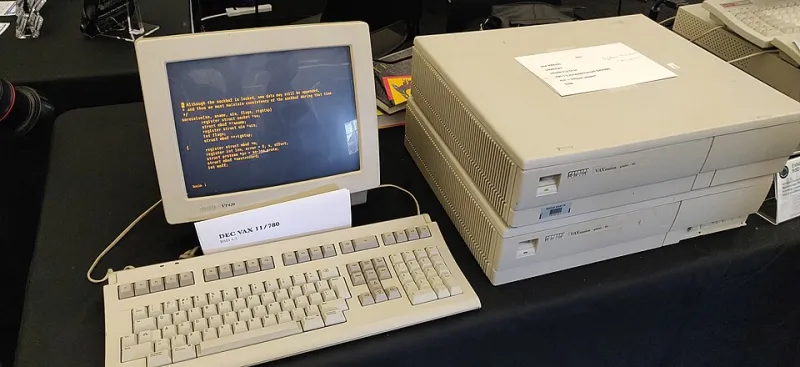
Photo: leighklotz, CC BY 2.0, via Wikimedia Commons
Somewhere in suburban Ohio, a guy named Marcus is sitting at his desk at 11 p.m., watching text scroll across a terminal window. He's not troubleshooting a server. He's not doing IT work. He's chatting with strangers on a Bulletin Board System — the same kind of pre-internet social network his older brother used back in 1991. The difference? Marcus is 26 years old, and he only discovered BBS culture about two years ago.
"There's something weirdly calming about it," he told us over email. "No algorithm deciding what I see. No engagement metrics. Just people typing at each other in real time."
Marcus isn't alone. Across the United States, a quiet but unmistakable revival is happening around BBS — the dial-up era networks that predated the World Wide Web and served as the original social internet for a generation of computer hobbyists. Whether accessed through actual vintage hardware or modern Telnet connections, these systems are finding new audiences who are fed up with the current state of social media and hungry for something that feels genuinely human.
What Even Is a BBS, Anyway?
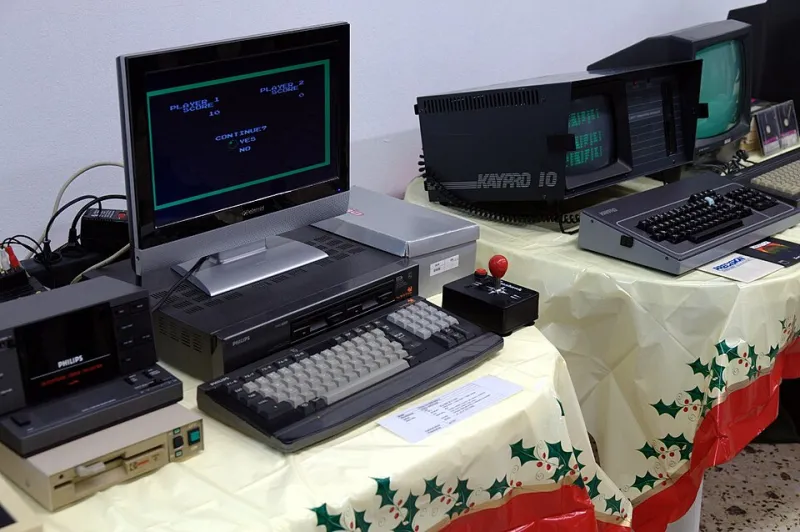
For the uninitiated, a Bulletin Board System is essentially a computer that users could call into — literally, via phone line and modem — to read and post messages, download files, play door games, and shoot the breeze with other members of a local community. Systems like Telegard, Wildcat!, and TBBS powered thousands of boards across the country throughout the late '80s and into the mid-'90s.
At their peak, it's estimated there were over 60,000 active BBS nodes in North America. Then the commercial internet arrived, AOL handed out free trial discs like candy, and the whole ecosystem essentially evaporated within a few years. Most sysops — the operators who ran these boards out of spare bedrooms and basements — simply shut things down and moved on.
Except some of them never really did.
The Sysops Who Never Left
Take Deb Castellano, who has been running a BBS out of her home in Portland, Oregon since 1993. Her board, which she keeps the name of deliberately low-profile to preserve its community feel, never fully went offline. "We had maybe a dozen regulars who just kept coming back," she laughed. "I figured if people were still showing up, I'd keep the lights on."
Today, her board sees more traffic than it has in almost two decades. "I started noticing new handles I didn't recognize showing up maybe around 2022. Young people. People who weren't even alive when we started this thing. I had to update the welcome message because it referenced a phone number that hadn't worked in fifteen years."
Deb's experience mirrors what's happening across the broader BBS revival community. Sites like The Rusty Mailbox and Throwback BBS have seen membership spikes, and aggregator directories like The BBS Corner are tracking an uptick in new boards being stood up by operators who are discovering the hobby for the first time.
Telnet Is the New Dial-Up
Modern BBS access almost always happens through Telnet rather than an actual modem connection, which removes the geographic constraint that once defined the culture. Old-school BBS was inherently local — you were calling a number in your area code, which meant your board reflected your city or town. Today's boards are globally accessible, which changes the social dynamic somewhat, but operators say the spirit remains intact.
Jordan Reyes, a software developer in Austin who launched his own BBS in early 2024 running on a modified version of Synchronet, describes the appeal in pretty practical terms. "I got tired of Twitter being a dumpster fire and Mastodon feeling like homework," he said. "Standing up a BBS was honestly easier than I expected, and it immediately felt like a community rather than a content feed."
Jordan's board focuses on retro gaming discussion and hosts several classic door games including Legend of the Red Dragon — a staple of BBS culture that has its own dedicated fanbase to this day. "People play LoRD for like an hour and then they stay to talk. That's the whole point."
The Algorithm Antidote
There's a bigger cultural conversation happening underneath the BBS revival, and it's not really about nostalgia for its own sake. The constraints that once made BBS feel limiting — slow connections, text-only interfaces, small communities, no recommendation engines — are now being read as features rather than bugs.
When every major social platform is optimized to maximize engagement through increasingly aggressive algorithmic curation, the idea of a space where you simply see what people posted, in order, with no interference, sounds almost radical. BBS delivers exactly that, with a side of ASCII art and a login prompt that feels like shaking hands with a different era of the internet.
Researchers studying digital culture have started paying attention. The appeal maps closely onto broader trends around "slow media" and intentional tech use — the same impulse that has people buying film cameras and vinyl records. It's less about the specific technology and more about what that technology refuses to do to you.
Starting Your Own Board
If you're curious about jumping in, the barrier is lower than you might think. Software packages like Synchronet and ENiGMA½ BBS are actively maintained, well-documented, and free. You can run a board on a Raspberry Pi, an old laptop, or a cloud server. Communities on Reddit and dedicated BBS forums are surprisingly welcoming to newcomers.
And if you just want to lurk before committing, Telnet directories list hundreds of active boards you can connect to right now using nothing more than a terminal emulator. Some even offer web-based access if you don't want to mess with client software.
The text will scroll. Someone will be there. And there won't be a single sponsored post in sight.
For a generation raised on infinite scroll and engagement-optimized feeds, that quiet little terminal window might just be the most refreshing thing on the internet right now.