Eight Notes and a Nation Hooked: The Unlikely Genius Behind Early Cell Phone Ringtones
There's a sound that can stop a room full of thirty-somethings mid-conversation. Five notes. Maybe six. A descending little melody that somehow communicates phone before your brain even registers what it's hearing. You know the one. And if you grew up in America somewhere between 1998 and 2005, that Nokia tune probably lived rent-free in your skull for the better part of a decade.
But here's what most people never think about: somebody made that. Somebody sat down, stared at a spec sheet full of brutal technical restrictions, and composed something that would become one of the most recognized audio sequences on the planet. That person — and the entire underground world of ringtone composers who followed — deserves a lot more credit than history has handed them.
The Constraints Were Basically Insane
To understand what early ringtone composers were working with, you have to appreciate just how small the canvas was. We're talking monophonic tones on first-generation handsets — meaning the phone could only play one note at a time, full stop. No chords. No layering. Just a single melodic line, rendered through a speaker roughly the size of a pencil eraser, with a total memory budget that would make a modern audio engineer laugh until they cried.
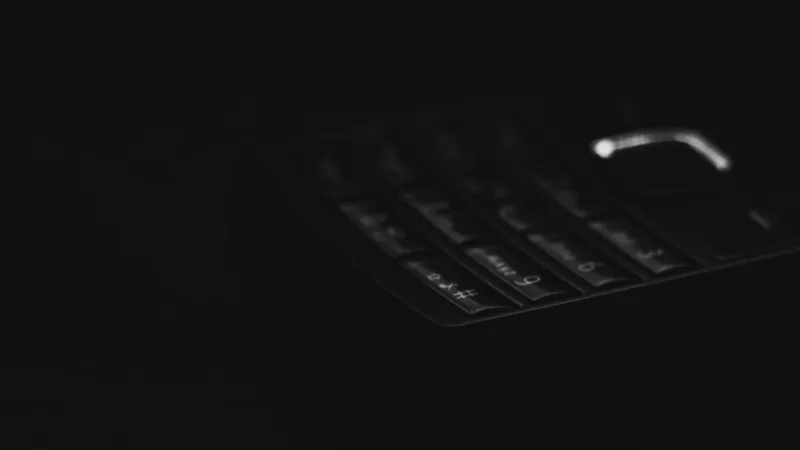
The Nokia 3310, arguably the most iconic handset of the era, allowed users to compose custom ringtones using a system called Smart Messaging. You entered notes one at a time through the keypad — pitch, duration, rest — and hoped the result sounded like something a human being might recognize as music. The maximum length hovered around 70 notes depending on the model. Seventy. Notes.
Polyphonic ringtones arrived around 2002 and blew the whole game open. Suddenly composers could stack four, then sixteen simultaneous tones. It felt, at the time, like going from a pencil sketch to a full oil painting. People lost their minds over the ability to get something that vaguely resembled actual instrumentation pumping out of their Motorola Razr.
The Composers Nobody Talked About
For a brief, weird window in American pop culture, ringtone composition was a legitimate hustle. Companies like Zingy, Jamster, and Bleep sprouted up to sell tones through carrier storefronts and those infomercial-style TV ads that ran constantly on late-night cable. At the peak of the market around 2004, the ringtone industry was pulling in over $4 billion annually in the US alone.
Behind those numbers were composers working in MIDI sequencers, trying to cram recognizable versions of pop hits and TV themes into file sizes measured in single-digit kilobytes. The challenge wasn't just technical — it was deeply musical. Which four notes of a melody carry the most identifying information? Where do you cut a chord progression so the loop doesn't feel jarring? How do you fake a bass line when you only have one voice to work with?
The composers who thrived treated it like a puzzle. They became obsessive about melodic reduction — stripping a song down to its absolute skeletal core and then making that skeleton dance. It was a craft that sat somewhere between music theory, data compression, and performance art, and most of them were doing it in bedrooms and small studios with no formal recognition whatsoever.
Some came from video game audio backgrounds, which made perfect sense. The constraints weren't entirely unlike what composers faced on the NES or Game Boy — limited voices, tiny storage, and an audience that would hear the result through cheap, tinny hardware. The skills transferred almost directly.
Why Those Little Melodies Stuck So Hard
There's actual neuroscience behind why early ringtones were such effective earworms, and it goes beyond simple repetition. The monophonic format forced composers to lean entirely on melody — no harmonic padding, no rhythmic complexity to fall back on. A tune had to work on pure melodic strength or it didn't work at all.
Neuroscientists who study auditory memory have noted that simple, stepwise melodic lines with a small number of distinct pitches tend to lodge in memory more stubbornly than complex arrangements. Early ringtones, by necessity, hit every one of those markers. They were melodic distillations so pure they bypassed your critical brain entirely and went straight to the part that just... remembers things forever.
The Nokia tune itself — officially a snippet of a 19th-century guitar piece called Gran Vals by Francisco Tárrega — became a case study in accidental perfection. Its rhythm was slightly syncopated, its range modest, its shape immediately singable. Nokia's sound designers didn't compose it from scratch, but whoever selected and trimmed it understood something fundamental about how melody works in the human brain.
Gen Z Producers Are Digging Through the Archives
Here's where the story gets genuinely interesting for the current moment: a growing number of younger producers are deliberately sampling and interpolating early ringtone aesthetics in their work. Browse SoundCloud or Bandcamp on any given afternoon and you'll find bedroom producers chopping up monophonic MIDI sequences, running them through lo-fi processing chains, and layering them into beats that feel simultaneously ancient and weirdly fresh.
The appeal isn't purely nostalgic — at least not for the producers who are too young to remember these sounds from first-hand experience. For them, the ringtone era represents a specific texture of early digital culture, the same way vinyl crackle represents analog warmth. It's a sonic signifier that carries emotional weight, a shorthand for a particular moment when technology felt both genuinely exciting and charmingly limited.
Some producers have gone deeper, actually learning to compose in the original formats — writing new music in monophonic MIDI, deliberately refusing to use more than the note budget a Nokia 3310 would allow. It's the audio equivalent of those designers who draft layouts on graph paper or photographers who shoot on disposable film cameras. The constraint isn't a bug. It's the whole point.
The Tiny Tunes That Outlasted the Phones
The ringtone era ended pretty quickly once smartphones arrived and people could just set any MP3 as their alert sound. The whole elaborate ecosystem of composers, storefronts, and carrier partnerships collapsed almost overnight. Most of the composers moved on to other work — game audio, film scoring, sound design for apps — and the craft they'd developed quietly disappeared from the cultural conversation.
But the sounds themselves never really left. They're embedded in a generation's muscle memory, those little melodic fragments that still surface unbidden in the shower or on a long drive. They were our first experience of personalized digital identity — the idea that your device could announce you with a sound you'd chosen, a tiny broadcast of personal taste.
In that sense, the ringtone composers were doing something more culturally significant than anyone gave them credit for at the time. They were building the sonic vocabulary of early mobile life, working in an art form so constrained it barely had a name, and somehow producing results that have genuinely outlasted the hardware they were designed for.
Not bad for seventy notes and a speaker the size of a pencil eraser.