Ctrl+Alt+Delete the Chaos: How Cleaning Up Your Digital Life Became the New Therapy
There's a specific kind of dread that lives inside a folder called "New Folder (47)." You know the one. It sits on your desktop like a digital guilt trip, stuffed with mystery screenshots, half-finished documents, and at least three files named "final_FINAL_v3_USE_THIS_ONE.docx." For most of us, that folder has been squatting there since roughly 2014, and we've made peace with never opening it.
But something is shifting. Quietly, persistently, and with a surprising amount of enthusiasm, a growing crowd of millennials and Gen Z users are doing something their parents never managed and their future selves are deeply grateful for: they're cleaning up their digital lives. On purpose. For fun.
Welcome to the Great Defrag — not the Windows utility that used to run for three hours while you slept, but a cultural moment where intentional digital organization has become its own kind of ritual, hobby, and, yes, therapy.
The Desktop as a Mirror
If you spend any time on TikTok or Reddit's productivity corners, you've seen the posts. Someone shares a before-and-after of their file system — a chaotic desktop replaced by a clean, minimalist grid, or an email inbox that went from 48,000 unread messages to a pristine zero. The comments aren't snarky. They're reverent. "This is the most satisfying thing I've seen all week," people write, and they mean it.
Psychologists have a few theories about why this hits so hard. There's the obvious satisfaction of visible progress — the same dopamine loop that makes organizing a bookshelf or cleaning out a junk drawer feel rewarding. But digital decluttering adds another layer: it's a confrontation with your own past self. Every old email, every folder of college assignments, every photo dump from a 2009 road trip is a time capsule. Sorting through them isn't just tidying up. It's archaeology.
For a generation that grew up online, that archaeology gets deeply personal. The internet of the 2000s and early 2010s was a wild, sprawling, unstructured place — and the files people accumulated during that era reflect exactly that energy. Downloads from Limewire sitting next to burned CD track lists. Aim chat logs saved as .txt files. Folders within folders within folders, named with the logic of a sleep-deprived teenager who was absolutely sure they'd remember what "stuff2" meant.
Nostalgia With a Mop
Here's where it gets interesting for those of us who love vintage digital culture: the act of reorganizing these old files isn't just about efficiency. It's about revisiting an era. When you open a drive you haven't touched since 2007 and find a folder full of custom MySpace layouts, you're not just looking at junk. You're looking at who you were when the internet still felt like a secret clubhouse.
That's a big part of why the trend resonates so strongly with people in their late twenties through early forties. The chaotic digital era they're cleaning up was their formative years. Sorting through it feels less like maintenance and more like curating a personal museum — deciding what to keep, what to delete, and what to finally, mercifully, let go of.
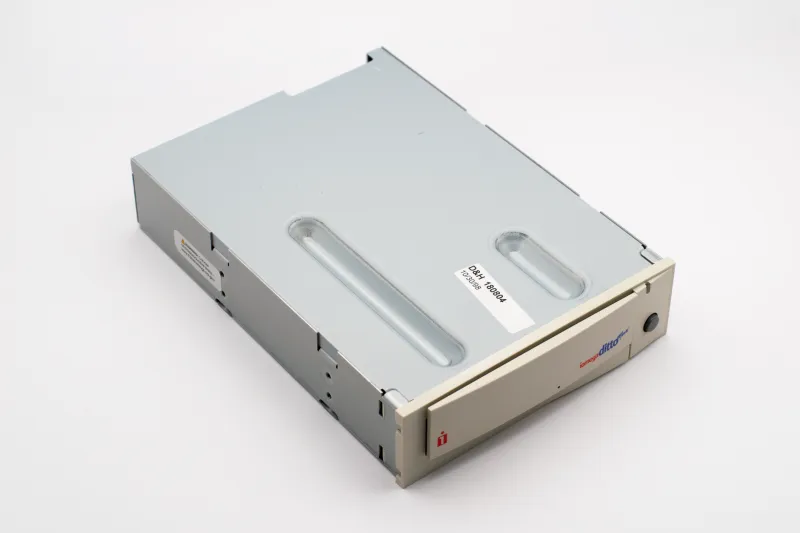
The parallel to physical collecting is pretty striking. The same intentionality that vintage enthusiasts bring to a record collection or a shelf of old game cartridges is showing up in how people are approaching their file systems. You're not just dumping everything into one folder. You're making choices. You're building a hierarchy that reflects your values and your memory. That's curation, plain and simple.
The Inbox Zero Faithful
If folder organization is the gateway drug, email is where the real devotion lives. The Inbox Zero movement — the practice of keeping your email inbox completely empty by processing, archiving, or deleting every message — has been around since productivity blogger Merlin Mann coined the term back in 2006. But it's having a genuine cultural renaissance right now, and the people getting into it aren't just corporate efficiency types.
They're people who found a Gmail account they opened in 2008 and discovered 60,000 unread emails waiting for them like a haunted house. They're people who got a new laptop, finally migrated their old files, and decided this time would be different. The process of working through that backlog — reading old newsletters, unsubscribing from lists that have been sending emails to a version of you that no longer exists, finding a receipt for a concert you completely forgot you attended — is weirdly moving.
Several users on Reddit's r/declutter and r/minimalism have described the experience as genuinely emotional. One post that made the rounds described the poster finding emails from a deceased family member tucked into a promotional folder. Another person found a chain of messages with an old best friend they'd lost touch with. The digital junk drawer turns out to contain actual memories.
Minimalism With a Pixel Aesthetic
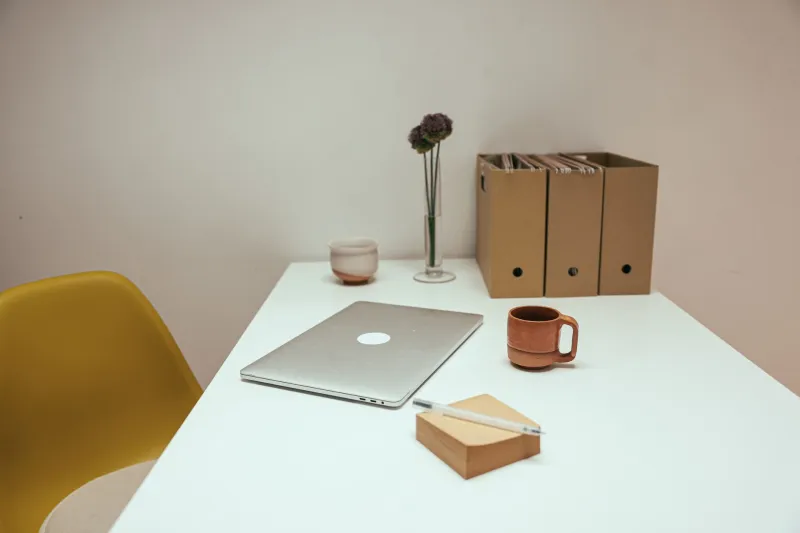
The visual side of digital decluttering has its own aesthetic movement bubbling up alongside it. Clean desktop setups — often with custom icon packs, muted color palettes, and folder structures that look almost architectural — have become a legitimate content category. There's a whole community around making your digital workspace look as considered and intentional as a well-designed room.
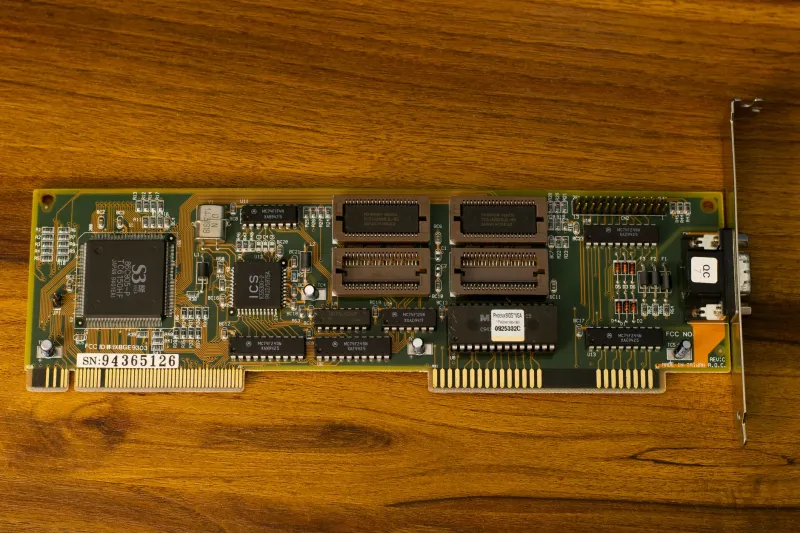
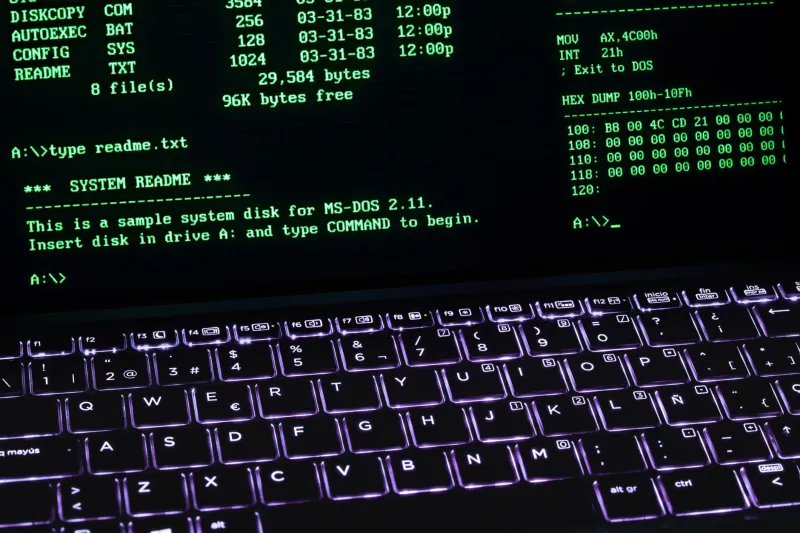
And some of the most popular versions of this lean hard into retro computing aesthetics. We're talking beige-toned wallpapers, pixel art folder icons, and system fonts that call back to early Mac OS or Windows 95. The irony is delicious: people are cleaning up their modern digital chaos by decorating it with the visual language of the era that created the chaos in the first place.
It makes a certain kind of sense, though. That early computing aesthetic carried with it a sense of order and intentionality — every icon placed deliberately, every window managed manually. There were no algorithmic feeds dumping content onto your screen. You put things where you wanted them, and they stayed there. Recapturing that feeling, even cosmetically, seems to scratch a real itch.
Hit Delete, Feel Better
Maybe the most honest thing you can say about the Great Defrag is that it's a response to overwhelm. The internet promised us infinite storage and infinite connection, and it delivered — along with infinite noise, infinite obligation, and an ever-growing pile of digital stuff that nobody ever taught us how to manage.
Cleaning it up, piece by piece, feels like reclaiming something. Not just disk space, but agency. The satisfaction of an organized file system isn't really about the files. It's about proving to yourself that the chaos isn't permanent, that past-you didn't ruin everything, and that you can still impose a little order on the world — or at least on the 847 screenshots sitting in your Downloads folder.
So if you've been putting off that deep clean, consider this your sign. Open the old drive. Make some folders. Name them something you'll actually remember. And maybe — just maybe — delete "New Folder (47)" without even looking inside.
Some things are better left in the past.